

Marine Insurance Kenya 2026 Complete Guide
Everything you need to know about marine cargo insurance — mandatory local rules, cover types, claims process, and expert tips.
Marine insurance protects goods, cargo, vessels, and freight against physical loss or damage during transit by sea, air, road, or rail.
Whether you're an importer, exporter, transporter, or logistics provider, marine insurance ensures your goods reach their destination — and your balance sheet — intact. At Precise Insurance Agency, we compare plans from leading providers — Jubilee, Britam, CIC, APA, Madison, Old Mutual, and more.
Key protection includes: warehouse-to-warehouse cover, loading and offloading risks, theft, fire, collision, sinking, general average, and more.
Did you know? Since 2017, Kenyan law requires all marine cargo insurance for imports to be placed with locally licensed insurers. As of July 1, 2026, this is now digitally enforced through KRA's customs system.
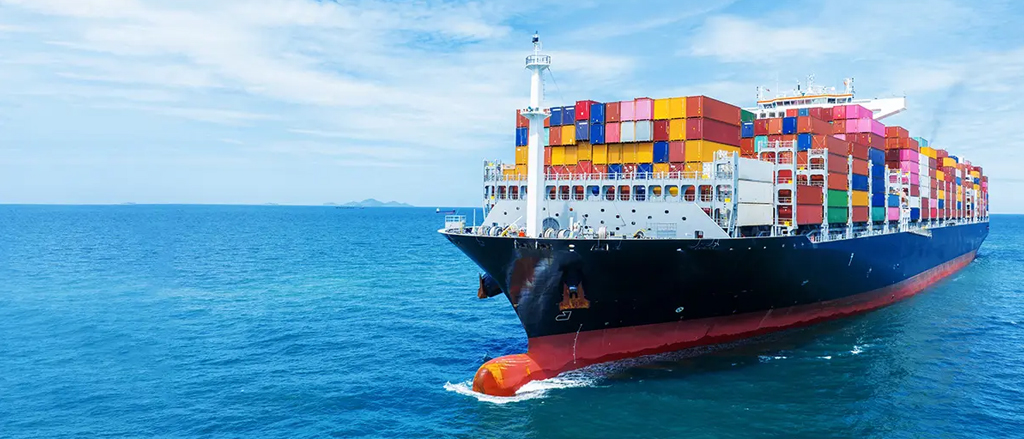
Mandatory Local Marine Insurance Rule 2026
A major change for all importers — effective July 1, 2026.
What changed?
The Insurance Regulatory Authority (IRA) and Kenya Revenue Authority (KRA) have implemented a digital enforcement system requiring all importers to secure marine cargo insurance from locally licensed insurers before customs clearance .
Why it matters to you
- You can no longer use foreign insurance under CIF (Cost, Insurance, Freight) contracts .
- Use CFR (Cost and Freight) Incoterms instead — buy transport from supplier, insure locally .
- Digital marine certificates are submitted automatically to KRA's ICMS system .
Important: Avoid paying twice
The Shippers Council of Eastern Africa (SCEA) warns importers to review existing contracts. If your supplier insists on CIF, you may end up paying for insurance both overseas and locally. Switch to CFR terms to avoid duplicate costs .
Precise Insurance can help: We'll guide you through the new requirements, help you switch to the right Incoterms, and provide compliant local marine insurance — fast.
Types of Marine Insurance Cover
Cargo Insurance
- Protects goods in transit — by sea, air, road, or rail .
- Warehouse-to-warehouse cover — from origin to final destination .
- Covers loss or damage from fire, theft, collision, rough handling, and more .
- Essential for importers, exporters, and transporters .
Hull & Machinery
- Protects the vessel itself — hull, machinery, and equipment .
- Covers damage from collision, grounding, fire, and storms .
- Essential for ship owners and operators .
- Often includes third party liability for damage caused by the vessel .
Inland Transit
- Covers goods during domestic transport within Kenya .
- By road, rail, or inland waterways .
- Essential for local traders and logistics companies .
Open Cover (Annual)
- A single policy covering all shipments for a 12-month period .
- No need to purchase cover per shipment .
- Cost-effective for regular importers and exporters .
- Automatic cover for all declared shipments .
What's Covered & What's Not
Covered
- Loss or damage from fire, theft, collision, sinking, overturning, or rough weather
- Transit risks by sea, air, road, rail, container, or courier — warehouse to warehouse
- General Average — shared losses during emergencies at sea
- Loss during loading and offloading
- Theft, pilferage, non-delivery, and mysterious disappearance
- Inland transit within Kenya (port to warehouse)
Not Covered (Exclusions)
- Willful misconduct of the insured
- Ordinary leakage, loss in weight, wear and tear
- Insufficient packing or inadequate storage
- Inherent vice — goods that spoil naturally
- Loss from delay or deterioration
- Nuclear weapons or radiation
- Insolvency or financial default of vessel owner
Optional extensions: War, strikes, riots, and civil commotions can be added for an additional premium.
Marine Claims Process
- Notify your insurer immediately — Report the incident as soon as possible, ideally within 24 hours .
- Preserve evidence — Do not dispose of damaged goods. Keep photographs, samples, and relevant documents .
- File a claim with relevant authorities — For theft or damage, obtain a police abstract or port authority report .
- Appoint a surveyor — The insurer will appoint a surveyor to assess the damage .
- Submit required documents — Complete claim form, invoices, packing list, Bill of Lading, survey report, and photos .
- Settlement — The insurer processes compensation based on the assessed loss and policy terms .
Timeline: Simple claims can be processed in 2-4 weeks. Complex claims involving general average or legal disputes may take longer .
Documents Required
For quotes and claims, you'll typically need:
- Pro Forma or Commercial Invoice
- Packing List
- Bill of Lading (sea) or Air Waybill (air)
- Import Declaration Form (IDF)
- For claims: survey report, photographs of damage, and a completed claim form
Tip: Keep all documents organized and accessible. Digitization is increasingly important for fast claims processing .
Top Marine Insurance Providers 2026
Leading insurers for marine cargo in Kenya.
Jubilee Insurance
Comprehensive marine cargo and hull insurance with strong claims history. Wide network and reliable service .
Britam
Strong marine portfolio with flexible open cover options. Known for efficient claims processing and digital certificates .
CIC Insurance
Large market share with competitive rates. Good for SME importers and exporters .
APA Insurance
Trusted marine insurer with strong claims handling. Offers tailored solutions for different cargo types .
Old Mutual
International expertise with local knowledge. Comprehensive marine solutions for large corporates .
We compare all these providers — you get the best coverage at the best rate.
Common Marine Insurance Myths Debunked
Myth 1: Marine insurance is only for ocean freight
False. Marine insurance covers goods in transit by air, road, and rail too. Inland transit is a common and important cover for local traders.
Myth 2: CIF covers all my marine insurance needs
With the new mandatory local insurance rule, CIF is no longer sufficient. You need local insurance for customs clearance, even if your supplier provides CIF .
Myth 3: Marine insurance is too expensive
Marine insurance typically costs 0.3-2% of the cargo value — a small price compared to the potential loss of an entire shipment.
Myth 4: Claims are always difficult
With proper documentation and a good insurance agency, claims are straightforward. Most insurers aim to settle within 2-4 weeks for simple claims .
Myth 5: I don't need marine insurance for small shipments
Any cargo, regardless of size, is at risk. Theft, damage, and delays can happen to any shipment. Insurance ensures you're protected .
Get a Marine Insurance Quote
Compare cargo, hull, inland transit, and open cover from leading insurers.
Thank You for Your Request!
Your marine insurance quote request has been received. We'll get back to you within 24 hours with options from top insurers.
For immediate assistance, call +254 726 439 278